

a brief history of the Norfolk Horn
The Norfolk Horn is a medium sized, hardy breed with a distinctive black face. Long in the body and limb with alert, bright, inquisitive eyes. Reserved but friendly in character. With magnificent strong open spiral horns sweeping backwards found on both ewes and rams.
I have a deep personal affection for these mad looking wee beasties. The more I find out about them the more questions I seem to have. Their story is an extraordinary one that I can only summarise for you here.
Rare, now found mostly in or around East Anglia, the Norfolk’s story is one of abundance, decline to near extinction and, tenuously, back from the brink. It is thought to be one of the oldest breeds in Britain, arriving on East Anglian shores with the Anglo-Saxon migration. It can trace its ancestry back to the Saxon Black faced heath sheep that once roamed over Northern Europe from the Netherlands to Russia [1]

Its ancestors were once found everywhere across East Anglia from the Anglo-Saxon period through to the C18th. The Norfolk was a tough hardy breed. Small, feral and deer like, well suited to life ranging on the relatively poor Heathlands found in the Norfolk and Suffolk brecks. It was tough enough to not only survive but thrive on the poor sandy soils in the Brecklands and North-West Norfolk. Converting the low-grade heath pastures into milk, wool, manure and meat under the fold-course agricultural system unique to East Anglia [2]
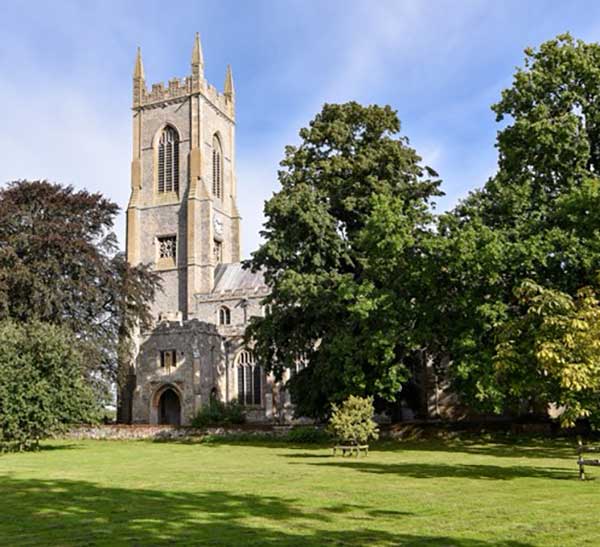
During the medieval its wool was the wool that created the wealth that built Norfolk’s numerous and ostentatiously over-large wool churches that pepper the county. Its wool was exclusively used in the famous worsted yarns upon which Norwich’s worsted textile industry was founded.
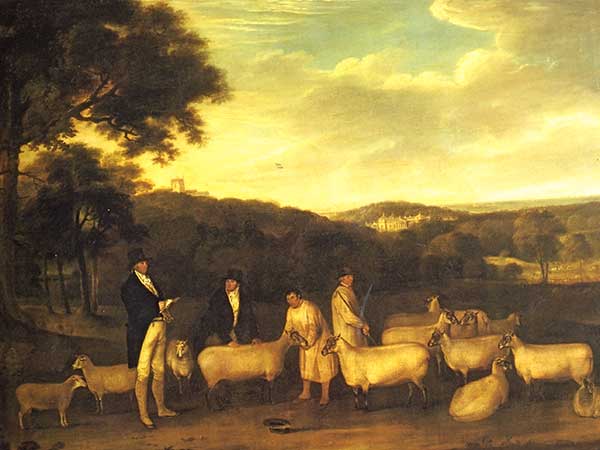
Later, the Norfolk Horn found itself at the heart of the modernisation of livestock breeding during the C18th. Ironically, the Norfolk acted as the agent of its own demise. It was the crossing of The Norfolk Horn with the Southdown during the 18th Century that produced the Suffolk. Why is this important? Today, the Suffolk is still the ram most used to produce the British Lamb that you will find on your plate.
By the mid C19th the Norfolk Horn was deeply unfashionable, considered a poor and troublesome breed by the Agricultural reformers. Their feisty, wild nature and inability to remain where they were put – leaping fences to keep roaming – made them ‘difficult’ to manage. Despised by agricultural modernisers including Lord Coke at Holkham who experimented with improving breed to increase yields and profits. They were replaced by the new heavier docile Norfolk/Southdown crosses which were held as superior in every way. The number of Norfolk Horns declined.
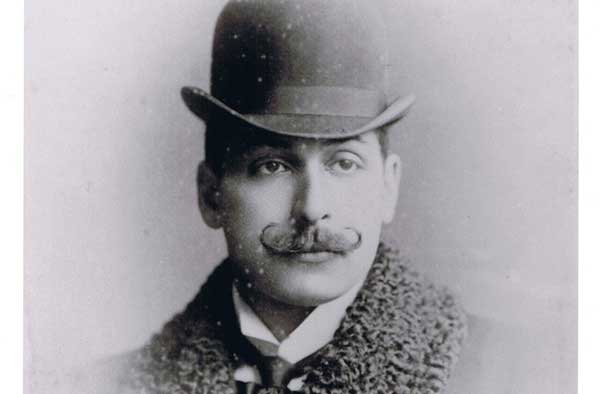
There was a small Antiquarian revival lead by gentleman farmers such as Prince Duleep Singh at Old Buckenham, and (another ironic twist) Lord Leicester at Holkham. But this was over by the start of the First World War. By 1917 there were no Norfolk’s left in Norfolk and just one flock remained.
The survival of the breed is down to one man, Mr J. D. Sayer. JD Sayer kept the only flock known in existence from 1895 until 1947. At this time the flock of 13 surviving Norfolk’s were moved to the Cambridge Animal Research station, later the remnants of this flock became the nucleus of what would become the Gene Bank at Whipsnade Zoo. Over the next 20 years The Norfolk’s situation went from bad to disastrous. By the late 1960s all that remained of the breed were 14 badly interbred individuals. The breed was on the brink of extinction.
The last Norfolk ram died in November 1971.
It isn’t the end though, clearly.
In yet another ironic twist of fate, to preserve what was left of the Norfolk’s genetics and to increase the genetic diversity of the breed, Joe Henson and his daughter Libby at their then recently opened Cotswold Farm Park in 1969 and in subsequent years, in an extraordinary act of foresight outcrossed one of the final surviving Norfolk rams with some of their Suffolk’s. Outcrossing with the Suffolk was continued in the early 1970s ensuring the survival of the breed. Norfolks are still kept at the Farm Park.
It is at this point in the Norfolk’s story that it finds itself at the centre of the fledgling Rare Breeds Movement story as the Gene Bank Project was closed down in the late 1960’s. It was the desperate situation of the Norfolk Horn breed that led to the awareness of the need for genetic conservation of traditional farm animals. The Norfolk was the most at risk of all the breeds identified at the formation of the Rare Breed Survival Trust in 1973.
Through dedicated and careful stewardship by a number of people the breed survived and by 1994 The Norfolk Horn Breeders Group was established. By this time were less than 300 registered breeding ewes. By 2005 RBST moved the breed to Category 4 ‘At risk ‘on their watch list.
Today, there are more than 2500 sheep dispersed between 79 flocks, predominantly in its ancestral home of Norfolk. The Norfolk Horn is now off the critical list and is a Category 5 – minority on the RBST watch list.
I don’t know how the modern Norfolk Horn compares with the Old Norfolk. Stockier, less agile and less wild. But they have a certain way about them, in the same way that Irish Wolf Hounds do. A rough raggedy regalness in the way they carry themselves. And I love them for it.
If you want to know more about the Norfolk Horn story the best reference I have found is Peter Wade Martins book. Black Faces: A History of East Anglian Sheep Breeds.
[1] Ryder, M. L. (1983). Sheep and man. Gerald Duckworth & Co. Ltd. . Wade-Martins, P., & Martins, S. W. (1993). Black Faces: A History of East Anglian Sheep Breeds. Norfolk Museums Service.
[2] Fold-course or Sheep-Corn system is unique to East Anglia. Under this distinctive form of agricultural management flocks were run on the open heaths during the day time and then folded (penned) on a set field area overnight to tathe (manure) the fields and feed on the crop residues. See Allison, K. J. (1955). The wool supply and the worsted cloth industry in Norfolk in the sixteenth and seventeenth centuries (Doctoral dissertation, University of Leeds).